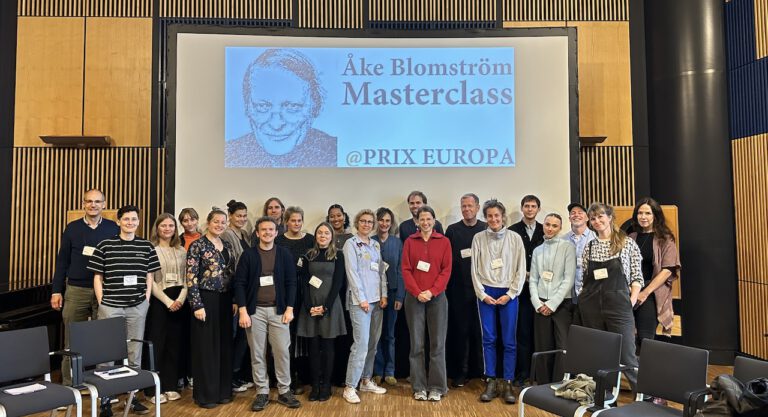
40 years ago, the first Åke Blomström Awards were presented. We would therefore like to invite you former participants or contributors to an informal get-together at the RBB broadcasting house in Berlin on Sunday 11 October at 17:00 – right before this year's Prix Europa
We want to look back on 40 years of this unusual project, founded in the first place to enable young feature makers to participate in the Prix Europa and the International Feature Conference and to make contacts in the scene. Over the years it has developed into an intensive training and tutorial and further into the masterclass, which we have had the honour to present for the last four years.
We want to sit down together for an hour and tell each other stories. Therefore, our request to you: What is your Ake Blomström story that you would like to tell us all. What became of your project, which people do you remember who impressed you most?
Afterwards, the Prix Europa, like all participants of the festival, invites us to a drink. Please write to us at 40years@akeblomstrom.eu if you want to tell us a story, and what it's about. Please also write to us how you used to be involved in the Åke Blomström Award. To get into the Funkhaus, you have to register also for the Prix Europa, if you haven't already registered because you wanted to take part in the Prix Europa anyway. https://www.prixeuropa.eu/personal-registration If in doubt, please use the „Observer“ category and write in the comment field – „40 years of the Åke Blomström Award“. Please don’t use the „Ake Blomström Masterclass“ category, as we need it for the current Masterclass.
As you all know – this project is supported by modest contributions of unfortunately still only a few broadcasters and some private individuals. It is an absolute low budget project, without administration costs, all money flows directly into the scholarships and the expense allowances for the master. So if you feel you would like to give something back – please ask your broadcaster or your department if they want to become a regular contributor. It is still only from 500 Euros per year. You are also welcome to support the project once or regularly.
In times when it is very difficult to establish a partnership and cooperation, you have a chance to become our patrons and help others develop their talents. As former participants of the program, you know that without attentive listening and dialogue, there is no chance for an exchange of ideas or for growth. The master class is precisely such a place.
In the 40th year of the Åke Blomström Award we received almost 40 entries from 14 countries. The five members of our international jury listened to and reviewed all of them. Here are the candidates awarded a scholarship for the Åke Blomström Masterclass 2026 in Berlin:
Aoife O'Neill, Ireland Elisa Longo, Italy Indrė Krivickaitė, Lithuania Jamie Reinert, Luxembourg Leo Rehnfeldt, Sweden Mees Warmerdam, Netherlands Michał Matus, Poland Ronja Morgenthaler, Germany Victorie Kralko, Czech Republic Alicja Głów, Poland (she could not attend in 2025)
Congratulations to all! We see you on 10 and 11 October at Prix Europa in Berlin.
Erin Anderson is a writer, audio producer, and documentary artist based in Pittsburgh, Pennsylvania (USA). She is co-creator and producer of Cement City, named one of The New York Times top ten “Best Podcasts of 2024,” and an ASME National Magazine Award Finalist. She teaches narrative audio and nonfiction in the Writing Program and the Film and Media Studies Program at the University of Pittsburgh.
Podcast: Cement City
Cement City is an independently produced ten-episode series about day-to-day life in a forgotten former steel town. Donora, Pennsylvania is home to 4,650 people. It has no schools, no banks, no grocery stores, no gas stations. It has a Smog Museum and a mayor named Piglet. The series follows Erin and her collaborator, magazine journalist Jeanne Marie Laskas, as they stumble off the highway into this town they’ve never heard of, buy a house there, and stay for three years. Cement City offers a case study in long-form immersive documentary: the ethics of embedding in a community over time; the challenge of balancing narrative drive with patient, immersive scene-building; and the art of making a forgotten place matter to a listener who has never heard of it and has no reason to care.
Franziska Sophie Dorau, Austria
Foto: private
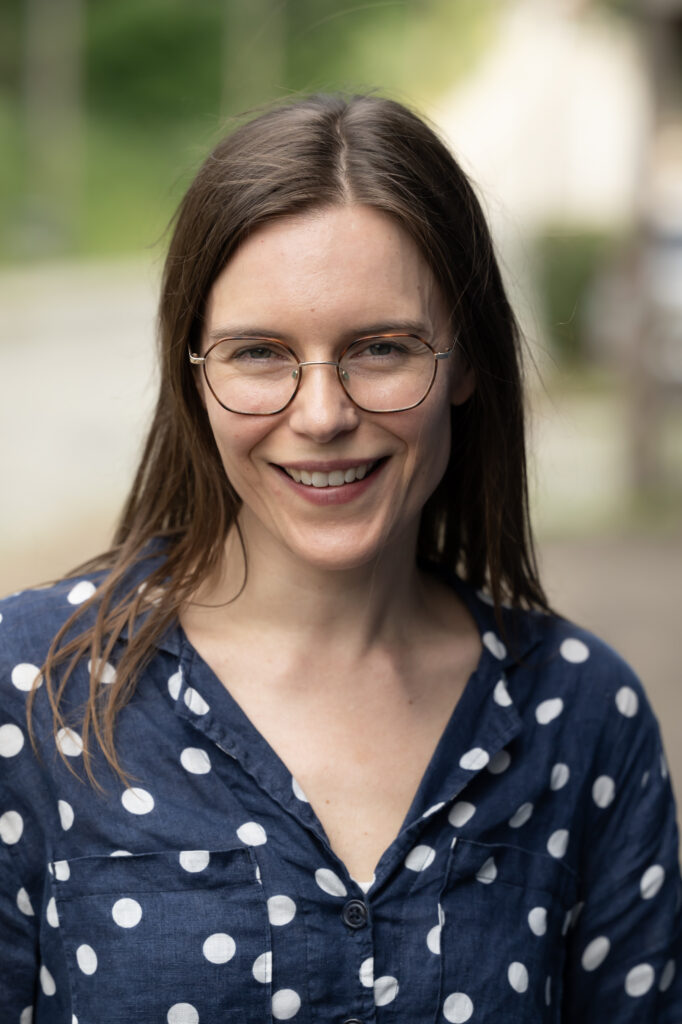
Franziska Sophie Dorau, born in Vienna, is an author and director of audio-documentaries. After studying Comparative Literature in Vienna and Paris, she started to work as a radio journalist for the Austrian national broadcast´s cultural and informational channel Ö1. She focuses primarily on socio-political issues, as well as portraits of authors and artists. Her documentaries have been nominated for numerous international awards. Among others, she has received the Prix Europa (2012), the CIVIS Media Award (2020), and the Premio Ondas (2024). In 2024, she was awarded the Axel Eggebrecht Award by the Leipzig Media Foundation for her complete body of work. She recently worked as a dramaturgical consultant for the Berlin based film production company “Komplizen Film”. She lives in Berlin.
Documentary: We Are at War. The Rehearsal Is Cancelled. Kyiv´s Symphony Orchestra in Search of a Second Home.
In April 2022, the renowned Kyiv Symphony Orchestra sets off on a tour to Western Europe. This trip is different from the usual tours. Two months earlier, Putin's army had invaded Ukraine; a brutal attack - also on the country's culture. The orchestra members' mission is to promote and defend their culture in Europe. But it soon becomes clear that they will not be able to return to their homeland. The journey becomes an exile. Through a chain of coincidences, the orchestra ends up in Gera, Thuringia. The city provides them with living quarters and a rehearsal room, and the Berlin Philharmonic takes over the patronage. The musicians from Ukraine can initially breathe a sigh of relief. From Gera, they travel to the most important concert halls in Europe and celebrate successes. But in May 2023, Kyiv cancels the funding. And the Jobcenter in Gera is putting more and more pressure on the musicians to accept job offers from German orchestras or music schools. The Kyiv Symphony Orchestra is threatened with dissolution. For the male musicians, this would mean a return to Ukraine, where they could be drafted into the war. When this scenario almost becomes reality, an unexpected offer arrives that sheds new light on their future. In her moving documentary, Franziska Sophie Dorau tells of the unwavering strength and passion of an orchestra that fights for its music and cultural heritage against all odds.
Saška Rakef, Slovenia
Foto: Adrijan Pregelj
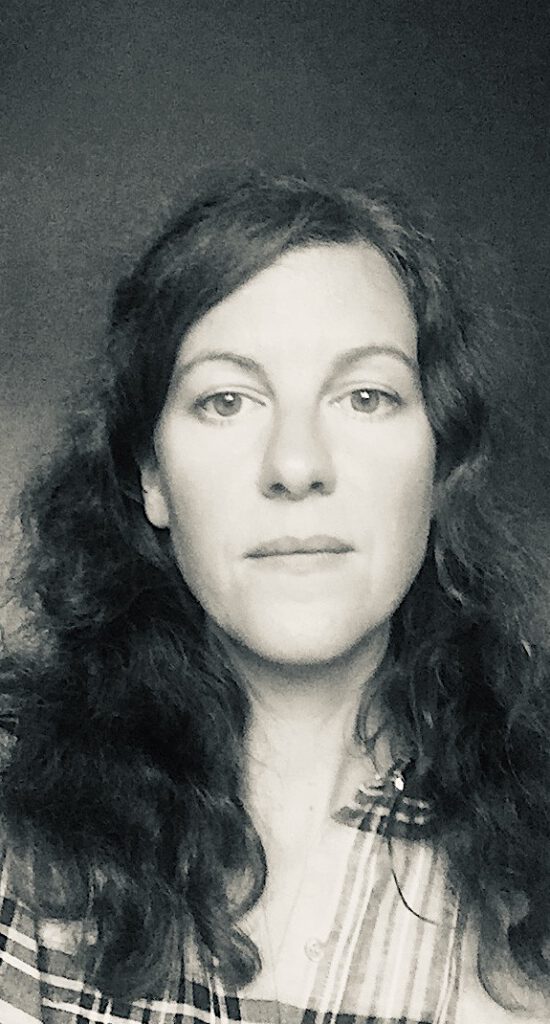
Saška Rakef is a playwright and directress. She is interested in the influence of emancipated musical composition on the method and aesthetics of directing. She researches sensorial language, a physical experience invoked by sound including the sonority of words, the staging methods translating the principles of musical composition into directing and dramaturgy procedures, and the writing processes of contemporary text for radio and theatre. An important part of her creativity is content for babies and infants. She was a project leader of the B-AIR project consortium, exploring how people and the surrounding world conceptualize and experience sound; connecting artistic, scientific and journalistic methods of research and creation. She works as a radio director at Radio Slovenia. She teaches radio play and radio directing at the Academy of Theatre, Radio, Film and Television, Ljubljana. A variety of domestic and foreign festivals have showcased her work, for which she has received several nominations and awards (Prix Italia Special Mention, Branislav B Cubrilović Award, Second Prize at Prix Marulić, nominations for Prix Europa, Palma Ars Acustica and more).
Documentary: Journey at The Edge of The Night
Dr Evgen Bavčar has a special ritual. For over forty years, he has been recording the nightingale singing on May nights in his hometown of Lokavec. Under the nocturnal cloak, in duet with the nightingale, the story unfolds into a narrative of the nightingales' blinding so they shall sing in perpetuity – a reflection on blindness as social castration, on existential proximities and distances, the position of the blind throughout time and the question: why should the pleasure of the night not be equal to the pleasure of the day? The night journey to the break of day raises profound questions about human existence, differences, the environment, freedom, intimate desire for duality, the Sun and a new spring.
Xavier Yvon, France
Foto: Radio France
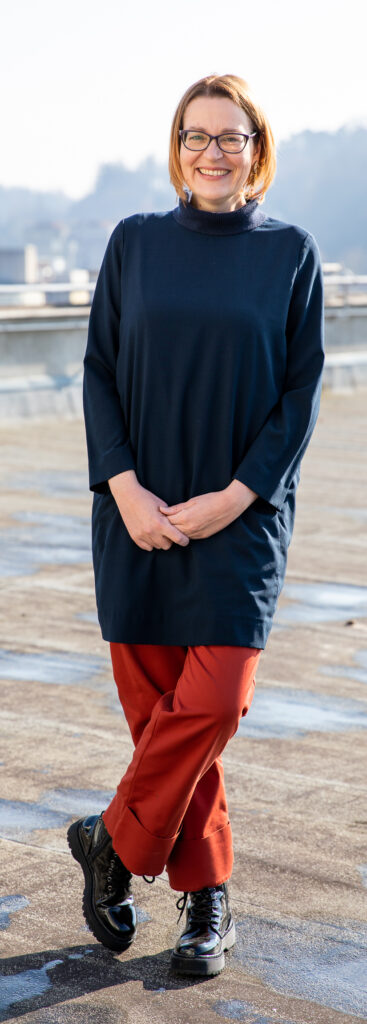
Xavier Yvon is an experienced journalist and audio editor with a career spanning major French newsrooms. He currently leads the Reportages Department at France Inter, overseeing national and international coverage. Previously, he served as Editor‑in‑Chief for Podcasts at L’Express, where he created and hosted La Loupe, a daily deep‑dive news podcast. From 2016 to 2020, he was Europe 1’s US Correspondent in New York. His original audio work includes acclaimed series such as Taylor Swift, le monde, ma fille et moi and Les Petites Voix. He has been recognized with major awards including the Prix Europa Special Jury Mention, the Prix Varenne, and the Bayeux War Correspondents Prize.
Podcast: Taylor Swift, the World, My Daughter and I
A dad wants to know : how could his 13-year-old daughter succumb to the Taylor Swift frenzy, like hundreds of millions of fans around the world ? To understand, he goes with her to a concert, and then decides to take her on a road trip following the star’s footsteps. From Nashville to Washington, via her native Pennsylvania, they travel through Taylor Swift’s universe, meeting fans, musicians and even a Harvard professor. Above the phenomenon, the sweety conversation between two generations helps us understand the world in which our teenagers are growing up.
Grant available for a two-day training event for Europe’s audio talent by Europe’s best audio documentary makers.
Apply now for a scholarship to the Åke Blomström Masterclass delivered at the start of this year’s PRIX EUROPA (10 & 11 October 2026) in Berlin.
During the two-day Masterclass you will have the unique opportunity to learn from European award winning documentary makers, to glean their secrets and get their advice.
If you have gathered your first steps in documentary audio, this is your opportunity to pitch your ideas and projects and become part of a network of future feature makers all around Europe. All participants will receive an Åke Blomström Masterclass Certificate.
To be eligible for one of ten scholarships, submit
a max. 5-minute edited audio production demonstrating the creative use of audio (with English translation as pdf or subtitle video)
a CV,
a covering letter outlining why you wish to attend the Åke Blomström Masterclass
a sketch (max. 1 page) of a documentary project in audio that you might like to pitch there.
The scholarship includes a travel allowance of 500 euros. Please send your application by 13 July 2026 to audio@prixeuropa.eu.
On 17 August we will publish the winners here and at PRIX EUROPA website and you’ll find out if your application was successful.
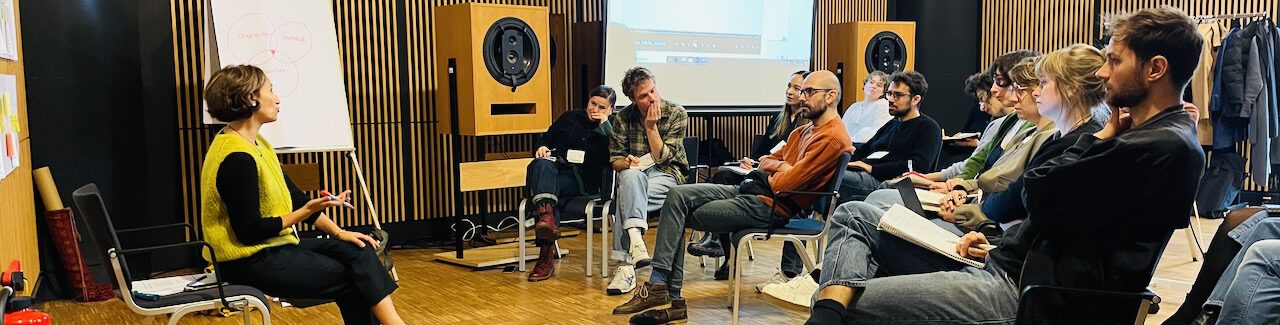
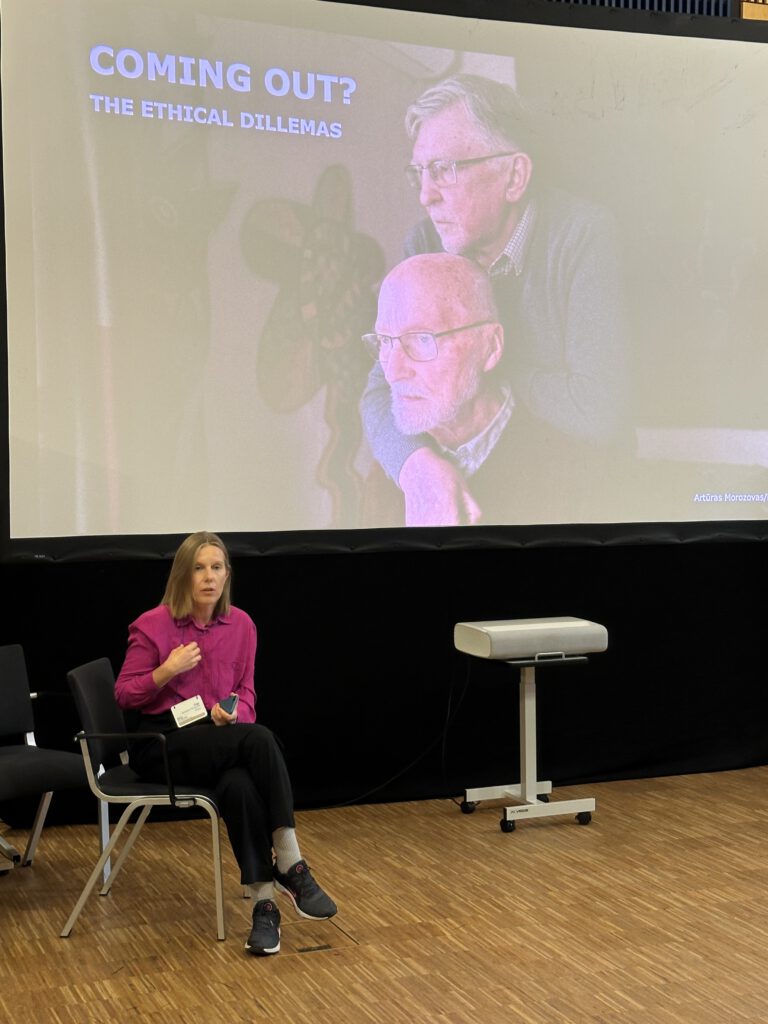
Naturally, I was overjoyed when I learned that the project outline I had submitted had been accepted, meaning I could take part in the masterclass. On the train to Berlin, I listen to Coming Out by Inga Janiulytė-Temporin as preparation, a piece awarded the Prix Europa as the European Audio Documentary of Year 2024. It tells the story of an older gay couple living in socially conservative Lithuania. The protagonist’s warm, unguarded voice fills my ears. “Hurray-hurray-hurray-hurray, huu-rray!”, he sings a little hymn about the love for his partner. Only a few minutes into the radio documentary I find myself stunned: an extraordinarily accomplished work of radio, intimate without lapsing into voyeurism, grippingly told, yet restrained and elegant in its form. Inga Janiulytė-Temporin is one of four radio producers who will present their pieces to the attendees of the masterclass and speak about the craft behind them.
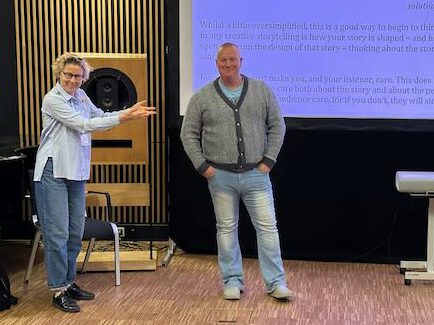
Agnieszka Czyżewska-Jacquemet and Liam O'Brien
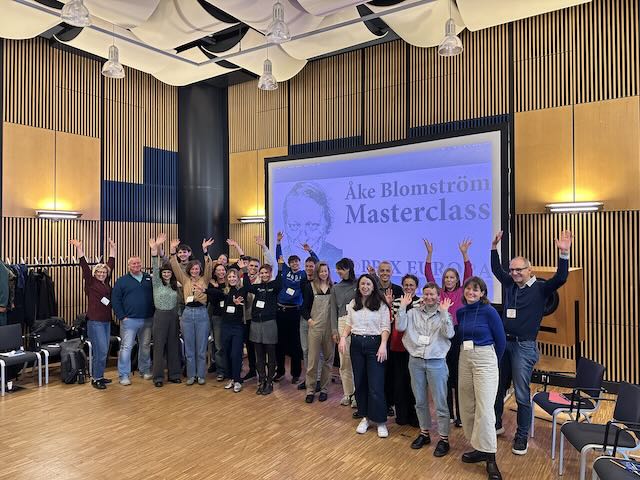
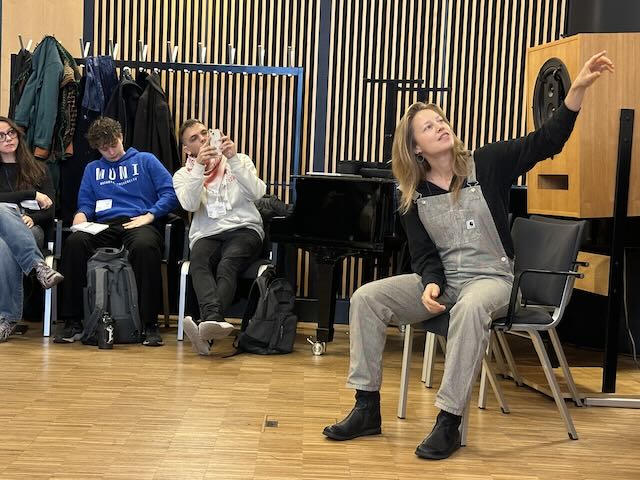
Inside the striking headquarters of Rundfunk Berlin-Brandenburg, we are warmly welcomed by the organisers – Wolfgang Schiller of Deutschlandfunk and Agnieszka Czyżewska-Jacquemet of Polskie Radio Lublin – who introduce us to the speakers: all of them award-winning radio producers from whom we will learn over the coming days. The work they present spans the full breadth of the cultural field of contemporary audio productions – from popular podcast productions that captivate large audiences while addressing pressing social questions, to delicate, artful pieces designed for a contemplative listening audience.
Liam O’Brien introduces Where is Jòn, a compellingly storytelling podcast that has amassed millions of plays. The secret behind the success of this Irish-Icelandic co-production: pace, pace, pace. Wolfgang Schiller tells me that thanks to the popularity of this narrative podcast format, some Deutschlandfunk programmes are now reaching listener numbers unprecedented in the broadcaster’s history. Patrizia Schlosser’s work, which contributes to the investigation and contextualisation of violent crime, is likewise defined by compelling storytelling and a strong sense of audience. We exchange thoughts on narrative technique, and she explains when it is the right moment for a writer to draw on classic dramaturgical frameworks such as the hero’s journey (it is when you have a creative block and need a fresh way into the material).
Patrizia Schlosser
The wide reach of these productions and their appealing acoustic designs are undeniably impressive. Yet I am left with a faint sense of ambivalence: in many of them, the reporter occupies the centre stage, cast almost as a star in their own narrative, guiding the audience step by step through the piece, some may call it “accompanied listening”. Is there not also something slightly narcissistic about placing oneself so prominently at the heart of the story one is telling? We all share a passionate dialogue around these thought-provoking questions.
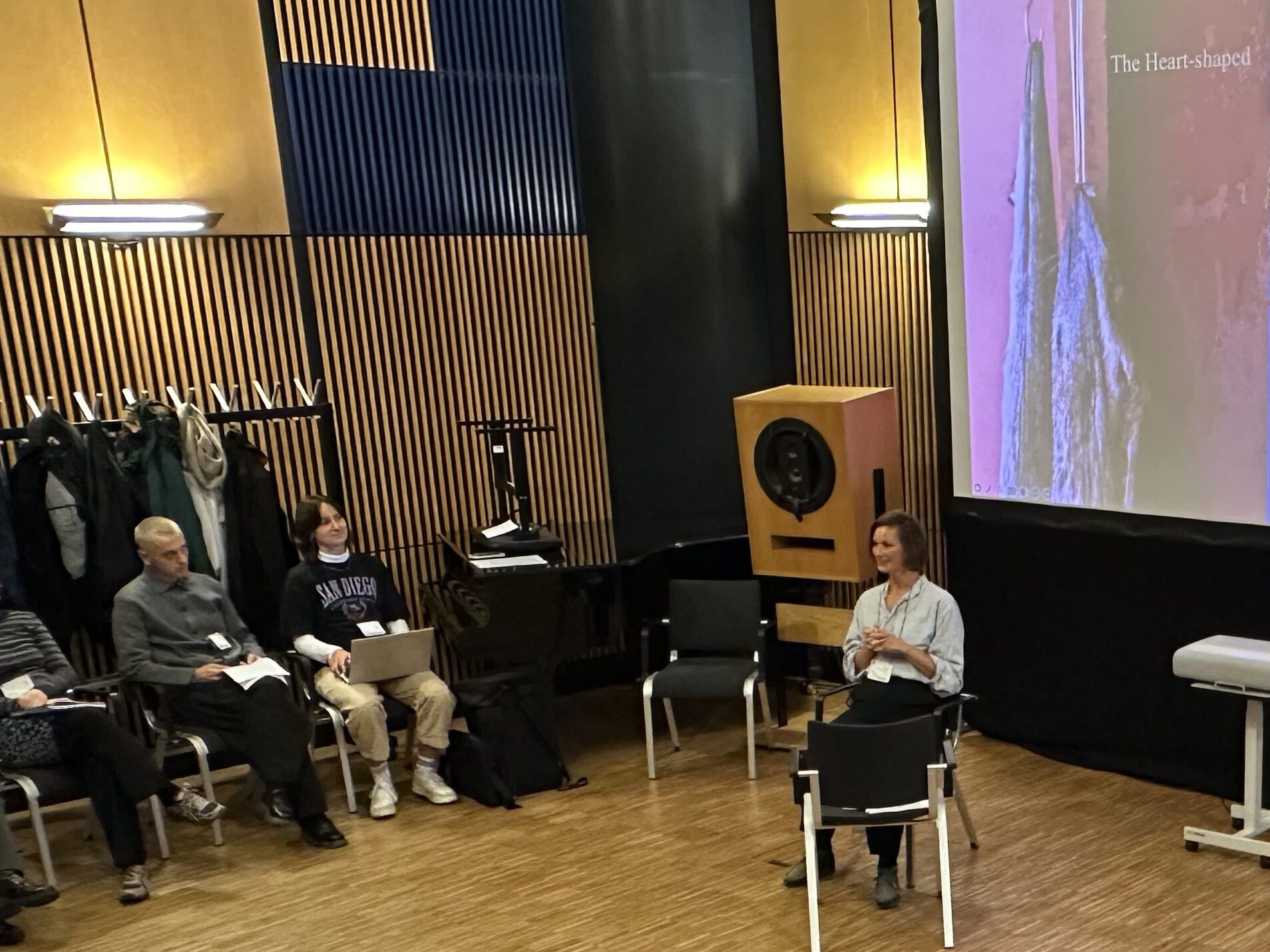
Nanna Hauge Kristensen
Nanna Hauge Kristensen takes a completely different approach as she presents one of her documentary pieces. Her work is almost entirely free of narrative scaffolding; instead it unfolds through exquisite sound recordings that conjure that oft-invoked “cinema of the mind” within seconds. She describes editing audio as a bodily experience. Everyone in the room understands immediately what she means, the rhythm of a piece as something one must feel, and the immersive experience of being taken to another place through audio documentary. Yet the delicacy of her pieces comes at a cost: such finely captured acoustic nuance demands deep attentiveness from the listener and can easily slip away if concentration falters. For an engaged listener tuning in on a quiet Sunday, these pieces are a delight. Yet for someone zapping through the radio late at night on their way home, they might not be able to reveal their depth.
Inga Janiulytė-Temporin
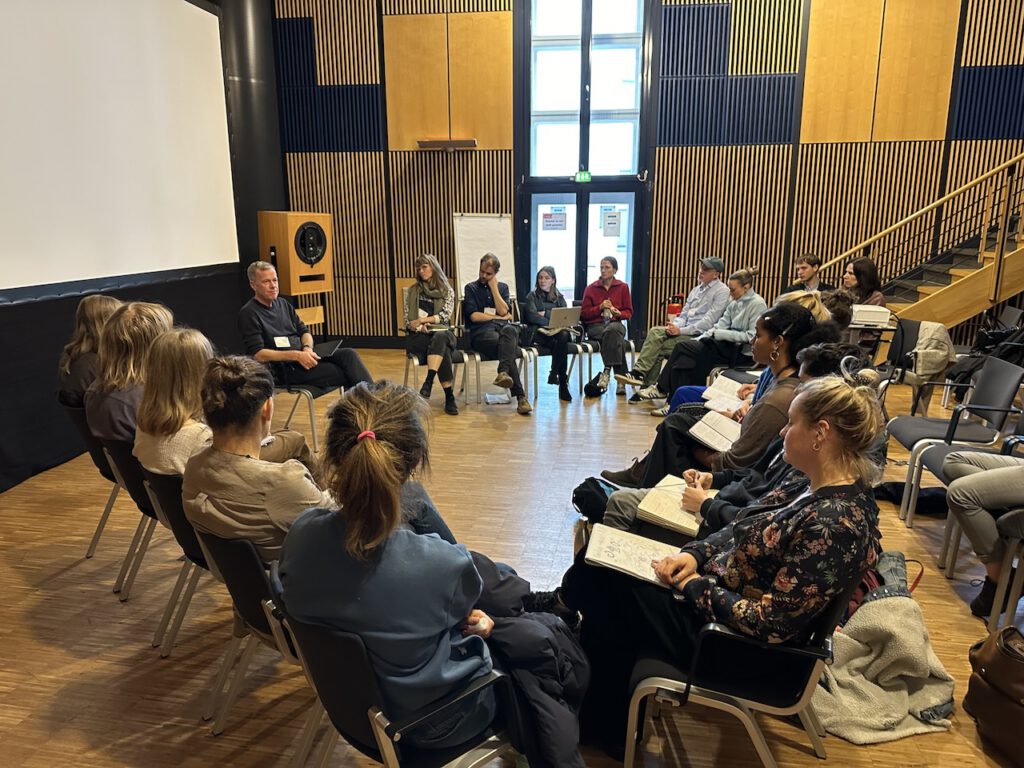
In between the guests lectures, we participants present our project proposals. The pitches are remarkable across the board: investigative research into social injustices, deeply personal explorations of family histories, and richly textured audio pieces that sweep the listener into immersive sound worlds. Together, we discuss the possibilities and pitfalls within each idea. I myself am wrestling with unwieldy amounts of archival material for a current project about the eventful life of a woman who fought against the Nazi regime (special thanks to Liva Blendstrup, who perfectly complemented my project idea with an advice that fits with striking precision). Everyone in the room – newcomers and seasoned producers alike – contributes generously, offering thoughtful and genuinely useful feedback.
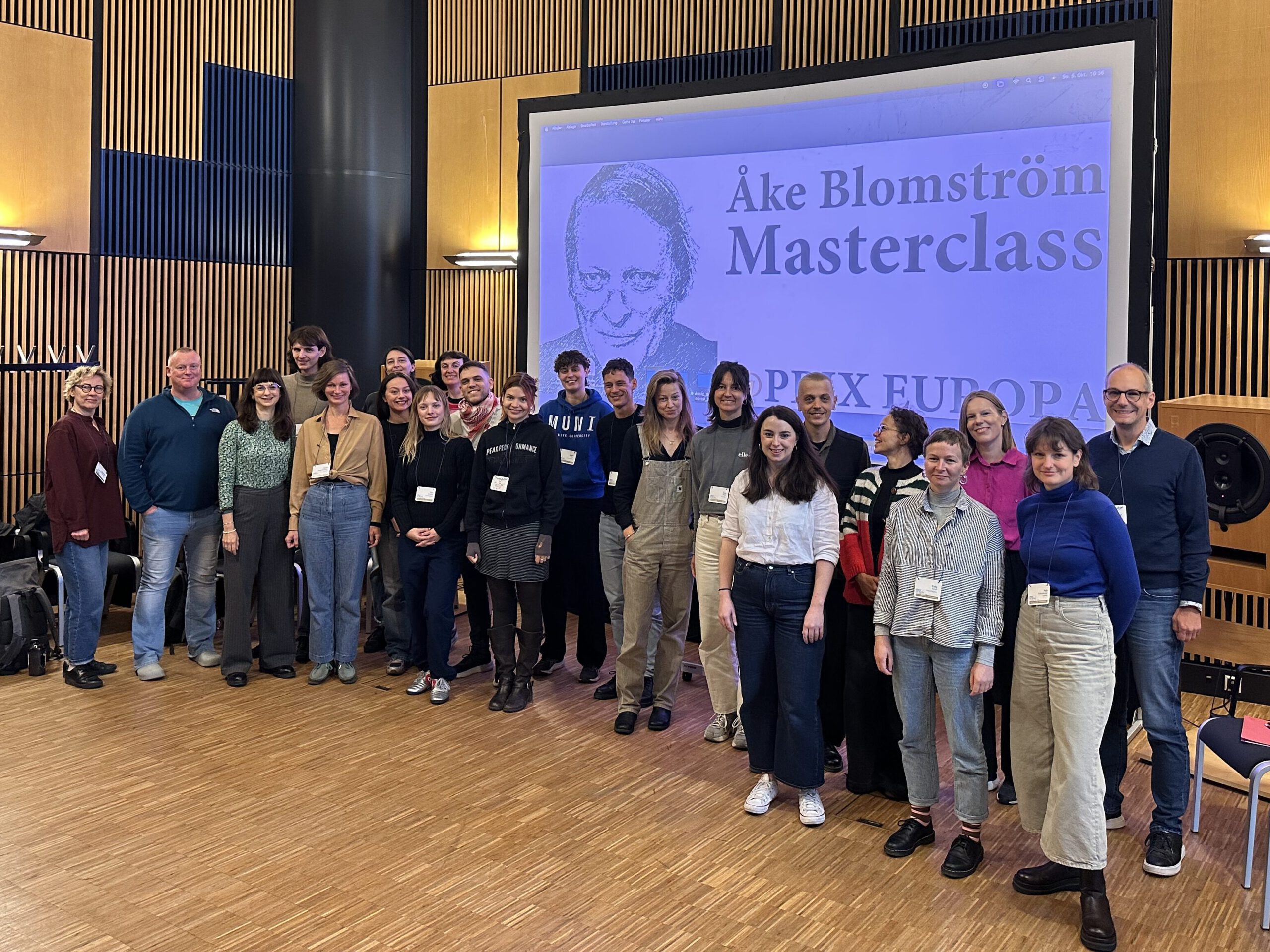
The Åke Blomström Masterclass of 2025 Camilo Genoud (Argentinia), Carlo Hoffmann (Germany), Katie Revell (United Kingdom - Scotland), Kristýna Břeská (Czech Republic), Liva Blendstrup (Denmark), Matúš Ďuraňa (Slovak Republic), Olivia Wimmer (Austria), Tina Priemus (Netherlands), Una Kelly (Ireland), Jakub Pečer (Czech Republic), Pia Rauschenberger (Germany), Ajla Delic (Norway), Shauna McGreevy (Ireland), Nele Dehnenkamp (Germany), Timo Stukenberg (Germany)
At the end of the final workshop day, Inga Janiulytė-Temporin explains how she and her colleague produced the documentary about the Lithuanian couple. I am stunned. She tells us the most work was completed in just two months, and shows a screenshot of her Reaper session: three tracks – music, recorded voices, narration, nothing more. It is precisely this simplicity that makes the piece so astonishingly powerful. Asked about her dramaturgical approach, she simply replies, “we were working very intuitive,” and we are all hanging on her every word.
“Be a reducer, not a producer” is another of the inspiring maxims I absorb in the days that follow, while sitting in on the open jury sessions of the Prix Europa – a phrase borrowed from the music producer Rick Rubin. Together with radio makers from across the continent, we listen to the nominated works, which transport us into the soundscapes of war zones, psychiatric institutions and vanished regimes. After many enriching conversations, sonic discoveries, and inspiring creative insights, I am leaving Berlin; convinced that the craft of radio is a patient, exacting labour of listening, quietly transformative in the way it reshapes how we understand one another.
This years Åke Blomström Masterclass received again about 50 applications from 21 countries. Our international jury reviewed all entries and made its choice. Here are the candidates awarded a scholarship for the Åke Blomström Masterclass 2025 in Berlin:
Alicja Głów, Poland Camilo Genoud, Spain Carlo Hoffmann, Germany Katie Revell, United Kingdom - Scotland Kristýna Břeská, Czech Republic Liva Blendstrup, Denmark Matúš Ďuraňa, Slovak Republic Olivia Wimmer, Austria Tina Priemus, Netherlands Una Kelly, Ireland
Congratulations to all! We see you on October 4 and 5 at Prix Europa in Berlin.
As Prix Europa is again at the beginning of October this year we took a very early deadline. May be too early for many of you? - Here is your second chance: Apply until 14 July and take the opportunity to join a network of European documentary makers at Prix Europa in Berlin. The scholarship includes a travel allowance of 500 euros.
For your application you need:
a 5-minute edited audio production demonstrating the creative use of audio (with English translation as pdf or subtitle video)
a CV,
a covering letter outlining why you wish to attend the Åke Blomström Masterclass
a sketch (max. 1 page) of a documentary project in audio that you might like to pitch there.
Inga Janiulytė-Temporin holds degrees in journalism and literatature. She has has been working for 11 years in Lithuanian National Radio and Television. Most of this time, producing environmental programs and radio documentaries.
A significant part of Inga's work involves uncovering stories of public value. Together with Rūta Dambravaitė, she co-authored Coming Out, a radio documentary about a homosexual couple who spent together 52 years publicly identifying as father and son. Coming Out was awarded the Prix Europa in 2024.
The Making of a Documentary That Changed Lives and Renewed the Debate on Same-Sex Partnerships in Lithuania
Initially, Vitalius wanted to share a story about his father. However, we soon discovered that the man he referred to was his partner of 52 years. Someone few people knew about. Despite the hesitation of coming out publicly, Vitalius felt it‘s time to show the public his true self.
It was clear immediately that we‘ve stumbled upon a story of immense public importance. Same-sex partnerships are still illegal in Lithuania, and homophobia remains widespread in society.
As we dug deeper, it became evident making this radio documentary would be anything but easy. We feared that Vitalius' bravery might ultimately work against him and his partner Albinas. How could we navigate the fear of the unknown, balance the responsibility of telling such a personal story, and approach it with both creativity and sensitivity.
Nanna Hauge Kristensen is an anthropologist and audio maker based in Copenhagen. Her work moves in the intersection of art, anthropology, and audio documentary. At its core is a deep interest in listening. She is captivated by the lived experiences of people, and endeavor to make them sounding through relational and co-creative processes. What attracts her, both as a maker and as a listener, are intimate, sensory and open-ended explorations.
Her work has been featured on BBC3, BBC4, Danish Radio, The Royal Danish Theater, among others. It has been honored with numerous International Awards.
The Heart-Shaped
explores the lives of four elderly people in the small town of Uummannaq in north-western Greenland. They are confronted with the departure of loved ones and the physical decline of their bodies. Yet, nature permeates every aspect of their lives. An audio ethnographic montage about silence, loss, and belonging. In her presentation, Nanna will discuss the creative process behind The Heart-Shaped. She will reflect on audio making as an explorative and relational practice, as well as the intimacy of sound and listening.
Working in audio is the only real job Liam O'Brien has ever had. He's been telling stories in audio documentaries, and series, for more than 25 years now – and still believes the best story he's ever going to tell is somewhere out there, waiting to be found. He has led the audio documentary unit in RTÉ since 2008 and over the last five years has moved into multi episodic storytelling. He has won over 150 national and international awards, including being recognised at the Prix Europa awards for his work on eight different productions.
Where is Jón?
is a six part podcast series that tells the story of Icelandic man Jón Jónsson who went missing in Dublin in 2019. A co-production between RÚV (Iceland) and RTÉ (Ireland), this series resulted in new information and witnesses coming forward which in turn prompted renewed police involvement in both countries, a Europol investigation and a number of searches and digs for the remains of Jón. How can audio storytelling make such an impact in a missing persons case?
Patrizia Schlosser is an investigative journalist. 38 years old, based in Munich. She does film documentaries and podcasts, mostly for German Public Television ARD.Some of her works: Together with her colleagues from STRG_F (NDR/funk) she exposed perpetrators who sold videos of naked women on porn sites. She also has investigated in the German terror organization The Red Army Fraction RAF as well as Neo-Nazi-structures in Germany. Her latest research is about non-consensual porn deepfakes:
Grant available for a two-day training event for Europe’s audio talent by Europe’s best audio documentary makers.
Apply now for a scholarship to the Åke Blomström Masterclass delivered at the start of this year’s PRIX EUROPA (4 & 5 October 2025) in Berlin. During the two-day Masterclass you will have the unique opportunity to learn from European award winning documentary makers, to glean their secrets and get their advice.
If you have gathered your first steps in documentary audio, this is your opportunity to pitch your ideas and projects and become part of a network of future feature makers all around Europe. All participants will receive an Åke Blomström Masterclass Certificate.
To be eligible for one of ten scholarships, submit
a 5-minute edited audio production demonstrating the creative use of audio (with English translation as pdf or subtitle video)
a CV,
a covering letter outlining why you wish to attend the Åke Blomström Masterclass
a sketch (max. 1 page) of a documentary project in audio that you might like to pitch there.
The scholarship includes a travel allowance of 500 euros. Please send your application by - new -14 July 2025 to audio@prixeuropa.eu.
On 20 August we will publish the winners here and at PRIX EUROPA website and you’ll find out if your application was successful. Good luck!
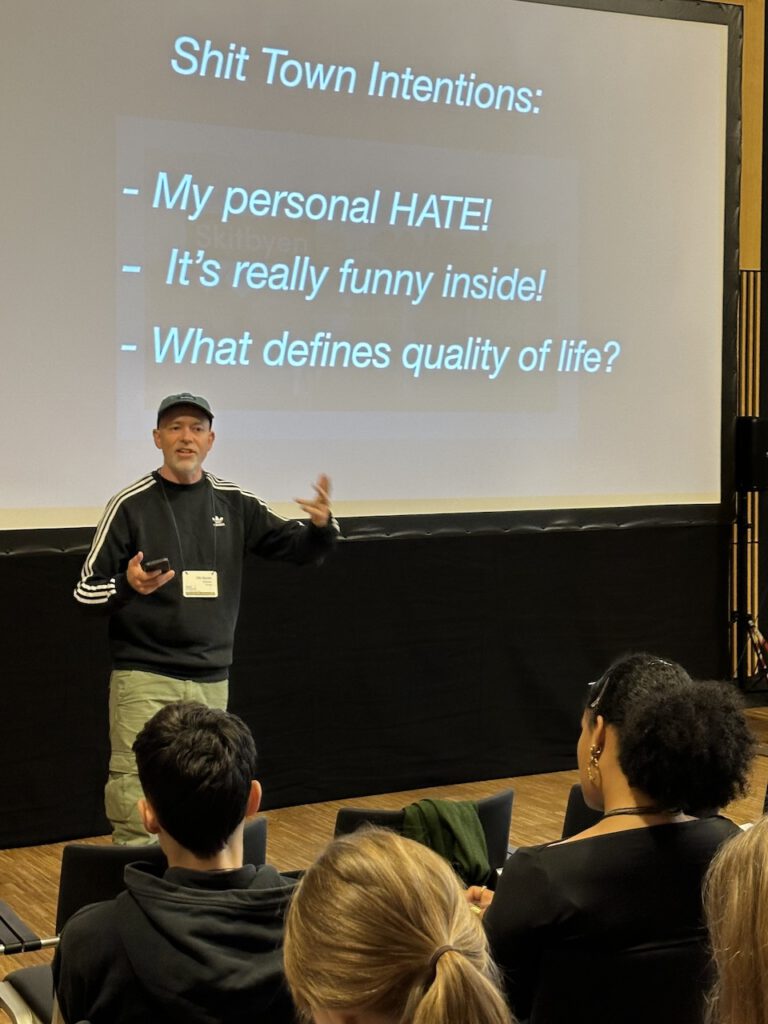
Ole Hafsmo, Prix Europa winner 2023 with the series "Shit Town", lamented the seriousness of so many documentaries. Especially when it comes to social issues. It always annoyed him. "Telling stories with humor is a dramatic device and does not mean disregarding them". With his work about his mother, he wanted to show that being poor doesn't have to be something sad in principle. For Hafsmo, his series is an example of the fact that working on a documentary is not completely controllable, that no matter how much experience you already have, you still always act a bit like an idiot and don't know what will come out in the end. Hafsmo didn't have a clear story at the beginning, more like a string of pearls of good scenes. The story only became clear at the moment when his mother was given notice to leave the apartment. And a second thing was important to Hafsmo. To make a really good documentary, you have to be clear about what the story is actually about. What does it stand for? In his case, too, this was not clear for a long time. It was only when he began to recount the circumstances of why his mother ended up in the precarious situation she was living in at the time that he realized that his series was not simply a light-hearted story about a poor woman, but that it was essentially about domestic violence against women.
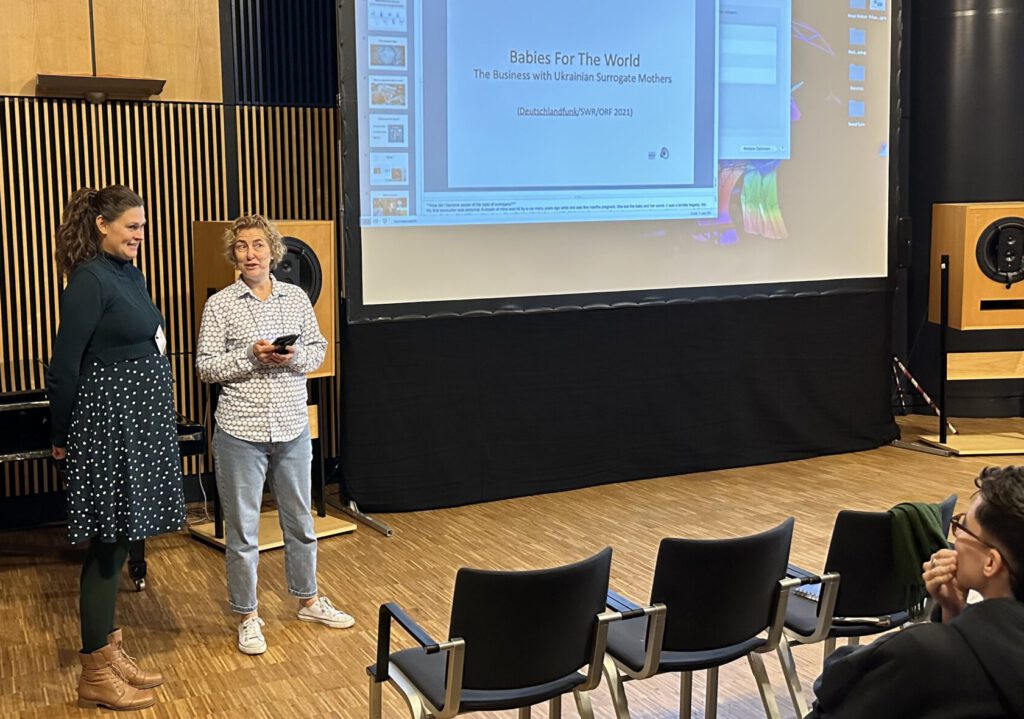
Inga Lizengevic, winner of the 2022 Prix Italia with her feature "Babies for the World", described how she came across the issue of surrogate mothers in Ukraine. A topic in the family circle turned into the question: Is this actually fair for the surrogates? Inga is convinced: Because she approached this investigative research so openly, so many women, intended parents, agents and doctors spoke openly with her about it. The research went on for two years, she was often in the Ukraine, but also in the Czech Republic and Austria. Many women were willing to talk about their circumstances because they had no one else to talk to. As word of her research spread, a snowball effect developed. In the end, she had spoken to 30 surrogate mothers and had access to their patient files. She was able to confront those responsible for the most serious cases with a great deal of detailed knowledge. Nevertheless, the research had no legal consequences. One of the agency owners also openly admitted that if there was no one to call the business abuse, it would be bad for business. Inga's work shows how important it is to choose the right characters and reduce the recorded material to the minimum necessary, to get to the heart of the problem.
The Åke Blomström Masterclass of 2024
Anna Joyce (Ireland), Carys Wall (United Kingdom), Clara Neubert (Germany), Fabiana Blasco (Germany), James Bonney (United Kingdom), Juli Schulz (Germany), Karolina Szulejewska (Germany/Poland), Lydia Bandolin Sörlin (Sweden), Marcia Sandee (Netherlands), Miranda Wretman (Sweden), Omara Poppe (Belgium), Raymond Lydal (Norway), Robin Mayer (Czech Republic), Rytis Skamarakas (Lithuania), Tereza Simanová (Slovakia)
Léa Chatauret talked about her work on "Open Hearts" also winning piece at Prix Europa 2023. It was triggered by a synchronicity that many people experience at certain times in their lives. Her grandmother was dying, her father had a heart attack and needed a new heart. She herself was expecting her first child. Obsessively recording was her strategy for coping. At the heart of the story, however, is the abuse her father suffered as a chorister at the hands of his universally acclaimed choir director, and how this abuse affected his life and that of his family. She was sure she had a good story. But it was hard to sell. She emphasized how important it is in moments like this to believe in your story. One strategy for talking to people about unpleasant things is to reach them about everyday, practical things that interest them. In her father's case, music, and the technique of recording it to find a way to talk about the abuse and its consequences. She always edited her material immediately into sequences to make it easier to find later. The principle of sequences also runs through the construction of the piece. There is a sequence of development in the music or in the story of her daughter for example. Many of the recordings from the first period are not particularly good. But the interview with her father is technically perfect and that makes up for the shortcomings of the poor recordings.
Andrew Harding spoke about "Bloodlands", a five-part podcast bout a murder and justice scandal in South Africa in 2016, that won Best Audio Investigation at the 2021 Prix Europa and was preceded by a book project. Harding said that he had recorded a lot of the material for the book project using a dictaphone, but the quality of the material was unusable. For the audio project, he had to re-record all the interviews. However, he had developed such a good relationship with the important protagonists over time that this was possible. Nevertheless, much of the piece is a reconstruction with the distance of years. It is important to Harding to get straight to the point in his narrative. To grab the listener immediately and say, this is an important thing, deal with it. Nevertheless, the documentary left him a bit frustrated because so many things could not be told in the airtime available. The pervasive domestic violence in all parts of society. The incredible poverty. The injustice. Many things could only be hinted at.
A wide variety of topics and creative approaches became clear in the pitches that each participant was allowed to present. It was about dangerous products for women's bodies, mysterious motives of fathers who fled to Europe, a Berlin repair café as an ideal fishing pond for stories. Incredible crime stories such as the failed suicide attack by a Scotsman on Franko or the inexplicable disappearance of a woman in Ireland on September 11, 2001. The experience of gamblers, stories of a family divided between Eastern and Western Europe. Megalomaniac projects such as that of a Liverpool man who has rebuilt an ancient villa in his apartment, which is now a listed building. Or a Czech composer who composes almost unperformable works for Vladimir Putin. Female imams in Sweden or the question of identities in Estonia in the face of the threat from Russia.
Once again the Åke Blomström Masterclass was a place for young and older generation of creators to share their experiences and comments in a friendly atmosphere. Everyone wanted to make the art of storytelling with sound better and more adequate. Many participants took the opportunity to take part in the jury sessions of the Prix Europa in the following days. With Lydia Bandolin Miranda Wretman, two participants were even nominated in the Audio Documentary category. We hope that one or the other participant will also be nominated with a piece at the Prix Europa in the coming years. In any case, there will be another Åke Blomström Masterclass next year.